Case study · Heritage
Digitizing the Ulcinj Museum — a working blueprint for Adria heritage
Published 2026-04-08 · By the 3DExperts team
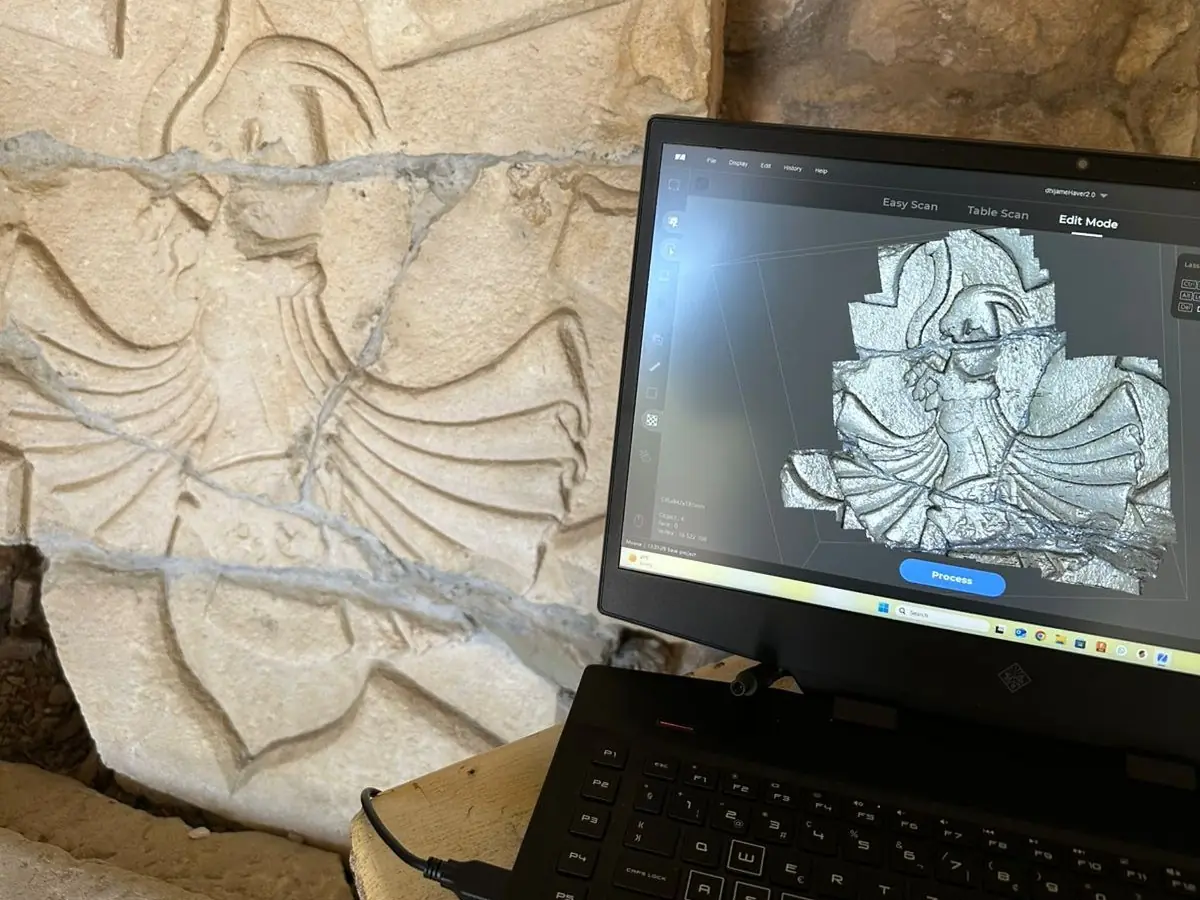
The Ulcinj Museum sits inside one of the oldest continuously inhabited urban sites on the Adriatic. Its collection spans Illyrian, Roman, Venetian, and Ottoman periods — artifacts that have survived 2,000 years of history and need to survive the next 200 with better documentation than paper notebooks and faded photographs.
The project captured objects from the collection at museum-grade accuracy and produced an archive that can be used for research, remote study, public exhibition and physical replica production. The collection is published online at 3dkult.me.
The challenge
Museum digitization projects in the Western Balkans have three chronic problems:
- Budget — national museum budgets rarely include a dedicated digitization line item.
- Method mismatch — well-meaning projects use the wrong capture technology for the artifact, producing results that are visually impressive but archivally inadequate.
- No standards alignment — deliverables end up in proprietary formats that can't be cited, shared with European databases, or reused by researchers.
Our approach
For the Ulcinj collection we committed to three principles from day one:
- The right tool per artifact. Small, high-detail objects were captured with handheld structured-light scanning. Larger architectural fragments used a different, faster workflow. Never forcing one method on every artifact.
- Open formats. Outputs in OBJ, PLY and glTF, so the work can be cited, shared and reused by researchers.
- Public access from the start. The moment an artifact was digitized, it became a potential web-viewable model. Not locked away on a hard drive in a museum office.
What we delivered
- High-resolution 3D models of the priority artifacts in the collection
- Web-ready glTF versions for online viewing and AR
- Print-ready STL versions for physical replica production (education, merchandising, tactile exhibits for visually impaired visitors)
- An object page per artifact with its description, online at 3dkult.me
Why it matters beyond Ulcinj
This is a repeatable model. The Balkans region has hundreds of museums with collections that deserve — and are legally required to have — proper digital archives. The barriers have always been cost, expertise, and standards. This project showed that all three can be solved on a regional budget.
We use the Ulcinj workflow as the starting point for every heritage conversation — from an Illyrian helmet to a silver stater of King Monounios.
If you run a museum, cultural institution, or heritage project
We offer a free 30-minute scoping call for any museum or cultural institution in the Adria region. We will walk you through realistic budget ranges, recommended capture methods, and which open formats to require from the start.
Get in touch — or browse the collection at 3dkult.me.