No tooling to amortise
Pilot series and bridge runs are produced directly, so a design change costs a reprint, not a new mould.
Housings, brackets and pilot-series parts for batches between prototype and mould.
Small-series vehicle builders, robotics companies and mobility start-ups live in the gap where a batch is too small to justify an injection mould yet too large to build by hand. Additive manufacturing owns that gap. It wins on price as well as speed for pilot runs, bridge production and functional end-use parts — and it lets a technical team revise a housing or bracket between builds without writing off tooling.
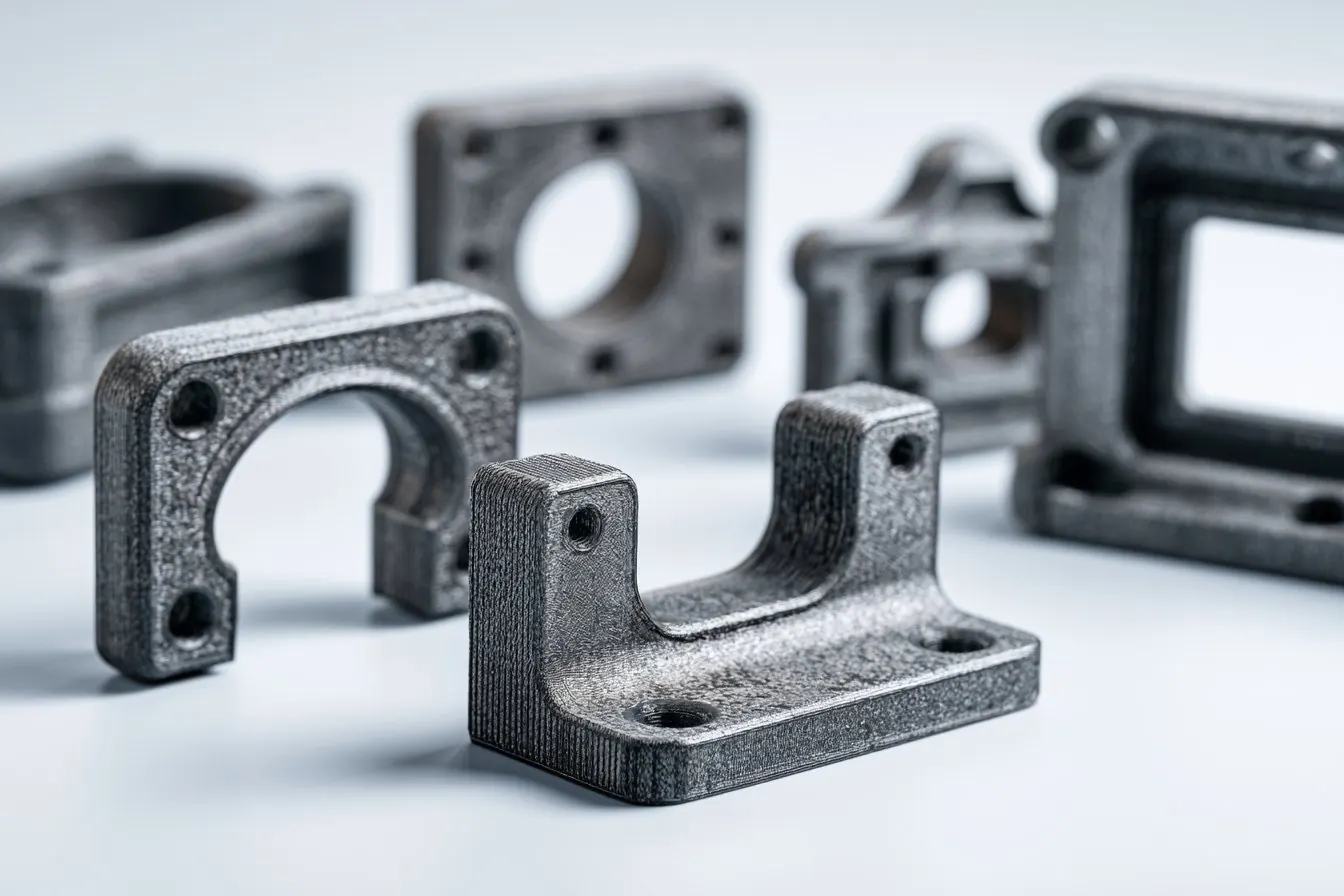
Pilot series and bridge runs are produced directly, so a design change costs a reprint, not a new mould.
Powder-bed nylon delivers functional mechanical properties for parts that ship in the product, not just on the bench.
Brackets and housings can integrate features that would otherwise be several fastened components.
Iterate interior parts, mounts and enclosures on the cadence of your build schedule.
Processes we useNylon — MJF / SLS →Flexible & PP — SLS →
Conformal cooling and thermal-management parts where conductivity and strength must coexist.
Dimensionally stable, durable nylon for housings, brackets and functional end-use parts.
High-impact nylon for parts that take shock and repeated load in service.
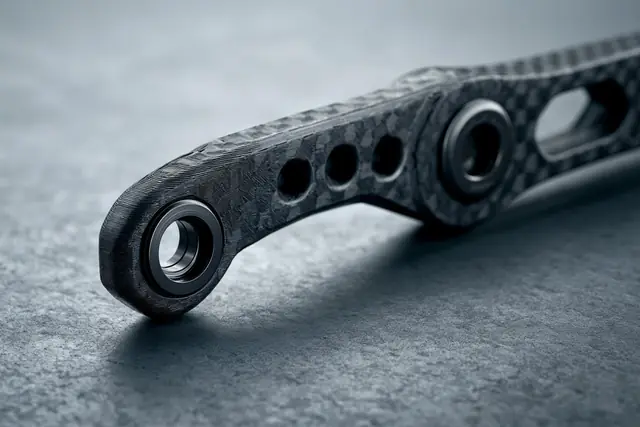
Carbon-fibre nylon for stiff, lightweight structural brackets and arms.
Flexible elastomer for gaskets, bushings, grips and vibration-damping parts.
Typical starting points for the processes used in Automotive & Robotics — not contractual limits. Confirm critical tolerances with us before production.
| Min wall thickness | 0.7 mm (SLS) / 0.5 mm (MJF) |
|---|---|
| Typical tolerance | ±0.3 mm (or ±0.3%) |
| Layer height | 80–120 µm |
| Max build size | up to 360 × 560 × 660 mm |
| Supports | None — parts are self-supporting in the powder bed |
| As-built surface | Uniform matte; dyeable (black and colours) |
| Min wall thickness | 1.0 mm |
|---|---|
| Typical tolerance | ±0.3 mm |
| Layer height | 100–120 µm |
| Max build size | up to 380 × 380 × 284 mm |
| Supports | None — self-supporting powder bed |
| As-built surface | Matte; flexible in thin walls |
Finishes commonly specified for Automotive & Robotics. Availability depends on the material; the exact price is shown in your instant quote.
Sealed, water-tight surface for functional and semi-cosmetic parts.
See finishing details →Coloured nylon for interior and visible components.
See finishing details →Finished appearance for show and customer-facing parts.
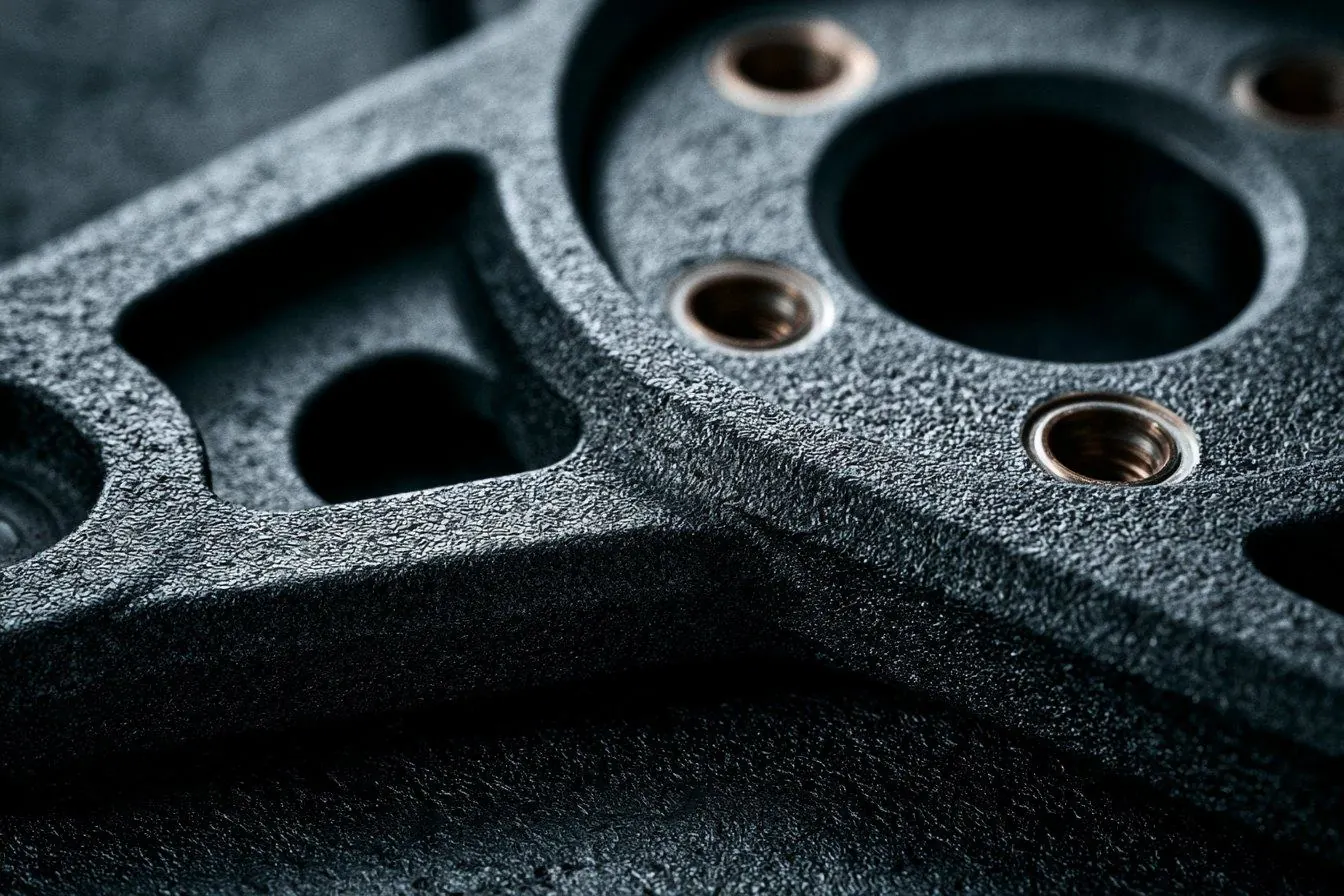
See finishing details →Reusable fastening points for brackets and housings.
See finishing details →Yes. Powder-bed nylon (PA11/PA12) delivers functional mechanical properties for housings, brackets and pilot-series parts that ship in the product, not only bench models.
In the gap between prototype and mould — batches too small to amortise tooling yet too large to build by hand. Bridge and pilot runs are produced directly, so a design change costs a reprint, not a new mould.
Yes — TPU produces gaskets, bushings, grips and damping elements; combine with rigid nylon parts in the same order.
SLS nylon can be dyed and finished for a cleaner appearance; ask us about options when you upload.
Upload your STL and get an instant, itemised price — no account required.
Upload your STL