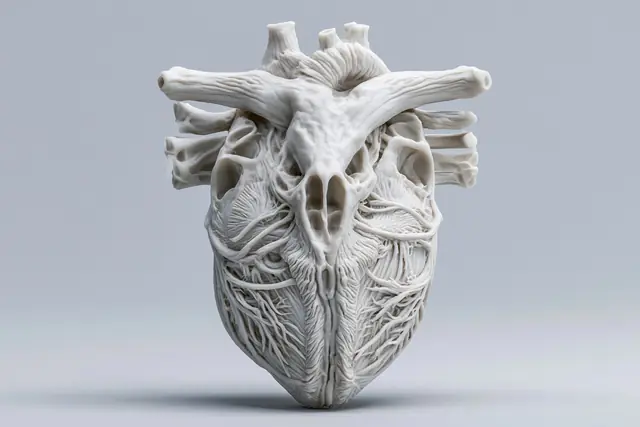
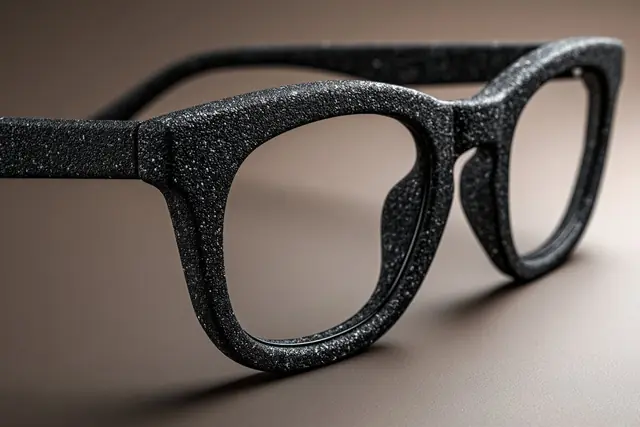
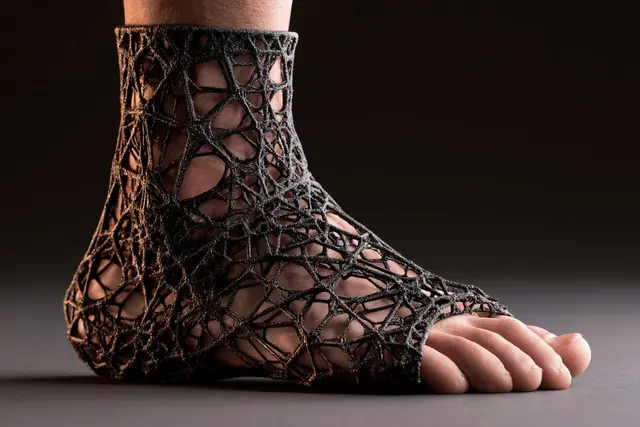
Fewer iterations to freeze
Physical verification of fit, ergonomics and assembly early in the cycle removes the expensive surprises that otherwise appear after tooling.
Functional prototypes, instrument bodies and metal components for a regulated development cycle.
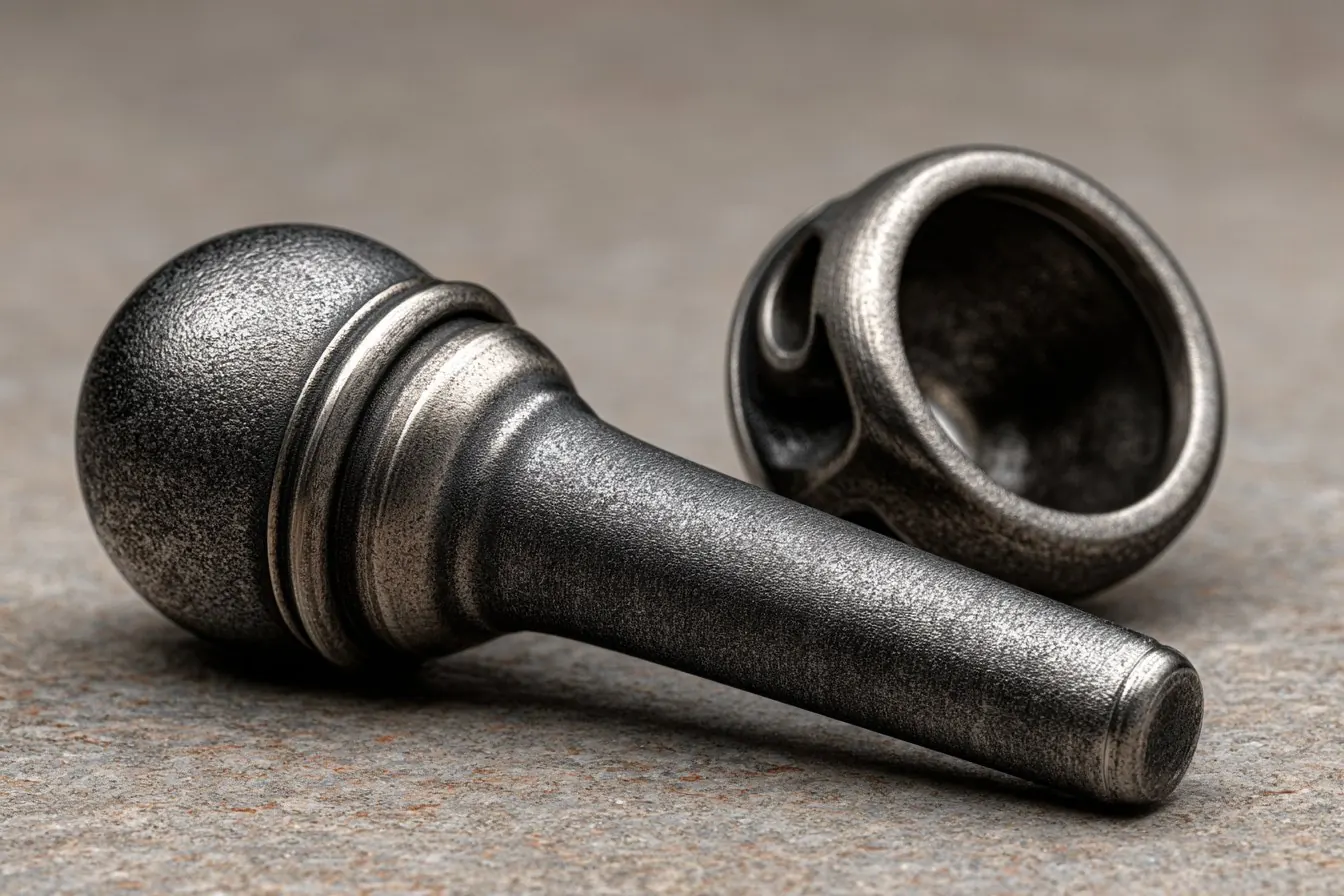
Medical device development lives under MDR: every design iteration has to be documented, and every change to a physical part lengthens the road to the technical file. Additive manufacturing lets an R&D or engineering team hold a real, functional part in hand without waiting for tooling — compressing the number of iterations it takes to freeze a design, and doing it with a supplier whose process is repeatable rather than the cheapest quote.
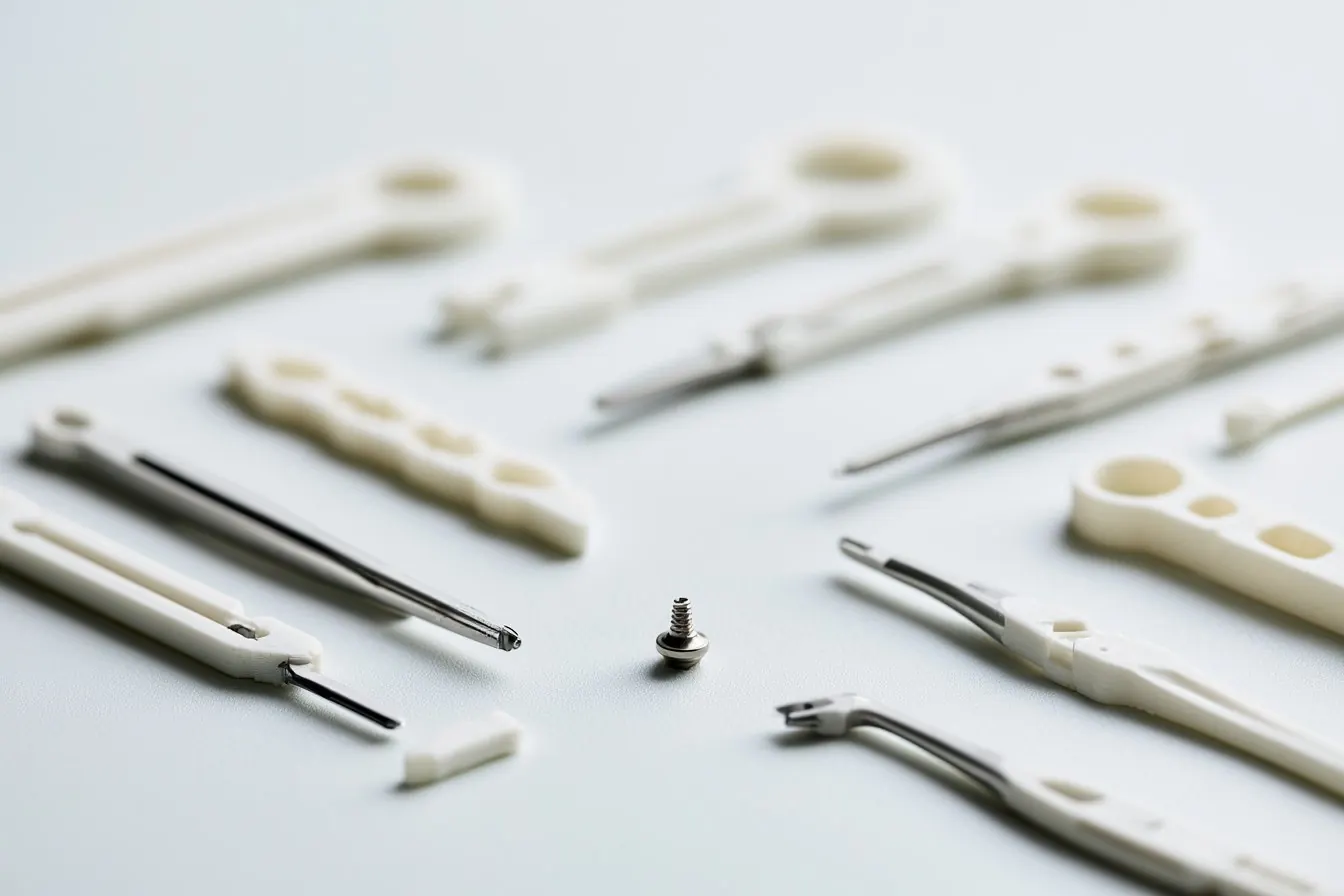
Physical verification of fit, ergonomics and assembly early in the cycle removes the expensive surprises that otherwise appear after tooling.
Internal channels, lattice weight reduction and organic ergonomic forms are printed directly — geometries that are impractical to machine or mould in low volume.
Titanium and 316L stainless produce corrosion-resistant, autoclavable instrument bodies and structural components in the same workflow as the plastic prototypes.
Consistent build parameters and material traceability give a development team a supplier they can reference in their own quality records.
Processes we useMetal — DMLS / SLM →Nylon — MJF / SLS →Resin — SLA →
Biocompatible-grade titanium alloy — high strength-to-weight and corrosion resistance for autoclavable instrument bodies and structural parts.
Austenitic stainless steel with excellent corrosion resistance; the workhorse for sterilisable instruments and fixtures.
Dimensionally stable nylon for durable functional prototypes, housings and trays with fine feature detail.
Tough, skin-contact-friendly nylon with high impact strength for ergonomic and repeatedly handled parts.
Smooth, high-resolution surfaces for appearance models and ergonomic studies where finish matters.
Typical starting points for the processes used in Medical Devices — not contractual limits. Confirm critical tolerances with us before production.
| Min wall thickness | 0.5 mm |
|---|---|
| Typical tolerance | ±0.1–0.2 mm (or ±0.2%) |
| Layer height | 20–60 µm |
| Max build size | up to 420 × 420 × 450 mm |
| Supports | Required; removed, then stress-relieved / heat-treated |
| As-built surface | Ra ≈ 8–15 µm; critical faces machined on request |
| Min wall thickness | 0.7 mm (SLS) / 0.5 mm (MJF) |
|---|---|
| Typical tolerance | ±0.3 mm (or ±0.3%) |
| Layer height | 80–120 µm |
| Max build size | up to 360 × 560 × 660 mm |
| Supports | None — parts are self-supporting in the powder bed |
| As-built surface | Uniform matte; dyeable (black and colours) |
| Min wall thickness | 0.5 mm (fine features from 0.3 mm) |
|---|---|
| Typical tolerance | ±0.15 mm (or ±0.2%) |
| Layer height | 25–100 µm |
| Max build size | up to 1700 × 800 × 600 mm (large-format) |
| Supports | Required; removed and UV post-cured |
| As-built surface | Smooth; sandable and paintable |
Finishes commonly specified for Medical Devices. Availability depends on the material; the exact price is shown in your instant quote.
Uniform matte surface that is easy to clean and free of loose particles.
See finishing details →Smooth, crevice-reduced finish for surfaces that must be wiped down or sterilised.
See finishing details →Tighter tolerances on sealing faces, bores and mating features.
See finishing details →Durable, reusable threads for instrument assemblies and housings.
See finishing details →We produce parts to your drawing and material specification and provide material documentation. Biocompatibility (ISO 10993), sterilisation validation and MDR conformity remain with the device manufacturer. Tell us the intended use and we will advise on a suitable material and finish.
Titanium (Ti₆Al₄V) and 316L stainless steel are the usual choices — both are corrosion resistant and withstand autoclave cycles. For handling models and trays, PA12 or PA11 nylon is a durable, cost-effective option.
Metal SLM holds roughly ±0.1–0.2 mm and resin around ±0.15 mm as printed; critical features can be machined to tighter tolerances on request. Share your drawing and we will confirm what is achievable.
Single parts are welcome; small baskets are topped up to the minimum order value shown in the quote. Production typically takes 10–20 working days from order confirmation, plus shipping; the quote states the exact date.
Upload your STL and get an instant, itemised price — no account required.
Upload your STL